Landscapers Hanwell: Creating Outdoor Spaces That Feel Practical, Beautiful, and Built to Last
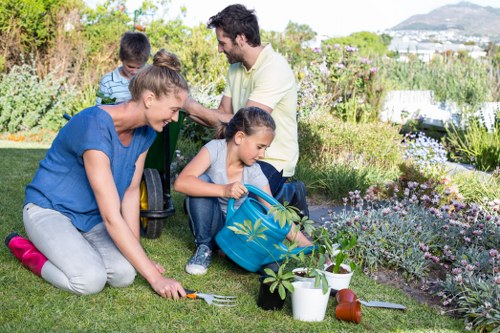 When people search for Landscapers Hanwell, they are often looking for more than a tidy garden. They want an outdoor space that feels usable throughout the year, looks welcoming from every angle, and suits the way they actually live. In a place like Hanwell, where gardens range from compact urban plots to wider family spaces, professional landscaping can make a remarkable difference. A well-planned garden is not just an attractive feature; it is an extension of the home, a place for relaxation, entertaining, playing, growing, and simply enjoying fresh air in a setting that feels balanced and well cared for.
Landscaping is about much more than laying turf or planting a few shrubs. It combines design, planning, structure, and horticultural knowledge to shape outdoor areas in a way that works for the property and the people using it. The best landscapers in Hanwell understand how to blend hard landscaping, soft planting, drainage, and long-term maintenance into a single coherent result. Whether the aim is a modern low-maintenance courtyard, a family-friendly lawn, or a layered planting scheme that changes beautifully through the seasons, thoughtful landscaping can transform the whole feel of a home.
 Hanwell has its own character, and that matters when shaping outdoor spaces. Local gardens can be affected by shade from nearby buildings, privacy concerns in closely spaced homes, uneven ground, or existing features that need careful integration. Experienced Hanwell landscapers look at the full picture before starting any work. They consider soil condition, sun exposure, water flow, access, storage, style preferences, and how the space will be used day to day. This approach helps ensure that the final design is not just attractive on paper but genuinely practical in real life.
A good landscaping project begins with understanding how the garden should function. Some homeowners want a calm place with soft planting and quiet seating corners. Others need robust paving, child-friendly surfaces, secure boundaries, and space for outdoor dining. Many want a combination of both. The strength of professional garden design in Hanwell is that it can bring together multiple goals without making the space feel crowded or chaotic. Through careful zoning, changes in level, and the use of complementary materials, a skilled team can create flow and structure that feels natural rather than forced.
One of the most valuable parts of landscaping is the way it improves usability. A garden that once felt awkward or neglected can become easy to move through and enjoyable to spend time in. This might involve replacing patchy grass with a more resilient lawn, adding paving that connects key areas, installing raised beds for easier planting, or using screening to create more privacy. With the right combination of design choices, landscaping Hanwell homeowners can enjoy can turn an underused outdoor area into one of the most valuable parts of the property.
 Hard landscaping is often the structural backbone of a successful garden. Paths, patios, retaining walls, edging, steps, and driveways all shape how a space looks and functions. In many Hanwell gardens, these elements need to be carefully chosen to match both the architecture of the home and the demands of the site. Materials such as natural stone, porcelain, brick, gravel, and quality concrete products each offer different advantages. The right choice depends on the desired finish, budget, maintenance expectations, and the surrounding environment. A well-built patio, for example, can become the heart of the garden, providing a stable and attractive surface for socialising and everyday use.
Drainage is another essential part of landscaping that is easy to overlook until problems appear. Poor water management can cause puddling, muddy lawns, damaged planting, and even structural issues if water is not directed away properly. Skilled landscape gardeners in Hanwell pay close attention to gradients, soakaways, permeable materials, and soil conditions to help avoid these issues. By planning drainage from the start, they can protect the garden investment and improve the comfort and durability of the finished space. This is particularly important in areas where heavy use, compacted soil, or limited natural drainage can quickly affect the performance of the garden.
Soft landscaping is what brings life, movement, and seasonal interest into the design. Trees, shrubs, hedges, perennials, ornamental grasses, and climbers each contribute to the overall feel of the space. A good planting scheme does not simply fill gaps; it creates rhythm, texture, colour, and structure across the year. In Hanwell, where gardens may need to balance privacy with openness, planting can also be used strategically to soften boundaries, reduce overlooking, and create a more peaceful atmosphere. The use of evergreen structure alongside seasonal highlights often produces the best long-term results, giving the garden a strong shape even in winter.
For many homeowners, low-maintenance landscaping is a major priority. Busy households often want a garden that looks good without demanding constant attention. This does not mean giving up on beauty or variety. Instead, it means choosing solutions that reduce unnecessary work while still delivering a polished finish. Examples include durable paving, quality artificial or real turf suited to the site, mulched borders, smart planting combinations, and simple but effective edging. Hanwell landscapers who specialise in practical design can help create a garden that stays attractive with manageable upkeep, making it easier to enjoy rather than simply maintain.
Family gardens often need a careful balance between safety, durability, and style. Children need room to play, adults may want seating and entertaining areas, and the whole space needs to remain easy to clean and maintain. Landscaping can solve this through thoughtful zoning. A patio may be placed near the house for dining, a lawn may occupy the central area for games and movement, and planting beds may frame the edges to soften the boundaries. Materials that are slip-resistant and hard-wearing can make outdoor living more comfortable, while defined routes and open sightlines help the garden feel organised and easy to supervise.
Another important element of modern garden design is the creation of outdoor rooms. This idea uses layout, planting, and structures to make the garden feel like a sequence of connected spaces rather than one open expanse. A dining terrace, a quiet corner with a bench, a planting-heavy border, or a screened seating nook can each serve a distinct purpose. By treating the garden as a collection of experiences, landscapers Hanwell homeowners rely on can make even modest plots feel larger and more versatile. This layered approach is especially effective where space is limited, because it creates a sense of discovery and variety without overcrowding the site.
Lighting can also play a major role in shaping how a garden feels after dark. Carefully placed lights can make paths safer, highlight attractive planting, and allow the space to be enjoyed during longer evenings. Rather than flooding the garden with brightness, effective lighting design uses subtle layers to create atmosphere and function. In many properties, low-level lighting along paths, feature lighting for trees or walls, and soft illumination near seating areas can completely change the mood of the space. When combined with strong landscaping structure, this can extend the use of the garden well beyond daylight hours.
Plants themselves need to be chosen with care for the conditions in Hanwell. Soil type, moisture levels, shade, wind exposure, and the amount of available maintenance all influence what will thrive. A beautiful planting scheme is only successful if the selected plants are appropriate to the setting. This is why experienced landscapers in Hanwell often prefer to work with durable, well-adapted species that provide reliable colour and texture. Native and wildlife-friendly planting can be especially appealing, helping to support birds, bees, and pollinators while also creating a more natural and relaxed look. Seasonal planting can bring vibrant changes through the year, while evergreen features maintain structure and consistency.
 Privacy is often one of the most requested outcomes in urban and suburban gardens. In places where homes are closely positioned, outdoor areas can feel exposed unless they are carefully arranged. Landscaping offers many ways to improve privacy without making a garden feel enclosed or small. Screening can come from strategically placed planting, trellises, fences, walls, or combinations of these elements. The key is to create a sense of enclosure that still allows light and movement. Tall planting near seating areas, for example, can make the space feel calm and intimate, while lighter layers toward the centre preserve openness.
Good garden design also takes account of storage and practical access. Outdoor spaces need to function for everyday life, which means leaving room for bins, tools, bikes, and garden equipment without letting them dominate the view. Clever landscaping can conceal or integrate practical features so they do not disrupt the appearance of the garden. Similarly, pathways and access routes should be clear and efficient. A professionally shaped landscape makes it easier to move between the house, patio, lawn, planting beds, and side access areas. This is one of the reasons landscaping services in Hanwell are valued not only for appearance but for improving the flow and convenience of daily living.
It is also worth recognising how much value a well-designed garden can add to a property. Buyers often see outdoor space as a major part of a home’s appeal, and a neat, thoughtfully planned garden creates a much stronger impression than an unused or poorly maintained one. Even if a homeowner is not planning to move, the long-term value lies in daily enjoyment. A garden that is pleasant to look at, easy to maintain, and suited to the family’s needs contributes to a better quality of life. That combination of practical and aesthetic value is one of the main reasons landscapers Hanwell continue to be in demand.
Different garden styles can be achieved through landscaping, from contemporary minimalism to classic cottage-inspired planting. Some homeowners prefer crisp edges, simple materials, and architectural planting for a modern look. Others are drawn to lush borders, curved paths, and a softer, more traditional feel. Many gardens benefit from a blend of styles that reflects the home’s character and the owner’s personality. The skill lies in creating consistency so the space feels intentional. Strong design choices, repeated materials, and coordinated planting all help produce a garden that feels complete rather than pieced together over time.
Seasonal change is one of the best reasons to invest in landscaping with thoughtful planting. A garden can look very different from spring to winter, and good design makes those changes feel like a feature rather than a weakness. Spring bulbs, summer flowering plants, autumn colour, and winter structure can all be arranged to ensure there is always something appealing to see. Texture is just as important as colour, with leaves, stems, bark, and grasses contributing depth and movement. The most satisfying landscapes are often those that look good in a variety of weather conditions, not only on bright summer days.
Maintenance planning should be part of the design conversation from the beginning. A beautiful garden that is too complicated to keep in good condition may quickly lose its appeal. That is why experienced Hanwell landscaping professionals often focus on creating systems that are sustainable over time. This may mean choosing robust materials, using borders that are easy to access, grouping plants by water needs, or designing lawns and surfaces that are simple to care for. By reducing unnecessary complexity, the garden becomes easier to manage and more enjoyable to use year after year.
For smaller gardens, careful use of space can make a dramatic difference. Compact Hanwell plots benefit from design that is visually open, structured, and efficient. Pale paving can help reflect light, while vertical planting and layered borders make the space feel fuller without overwhelming it. Mirrors and reflective surfaces are sometimes used in private settings to create the impression of depth, although these must be handled carefully. In smaller spaces, every detail matters, from the width of paths to the height of seating and the shape of planters. A skilled Hanwell landscaper understands how to make the most of limited square footage without sacrificing comfort or style.
For larger gardens, the challenge is often different. The space may be generous, but without proper structure it can feel disjointed or underused. Larger plots benefit from clear zoning, planting masses that anchor the design, and features that draw the eye through the space. Long paths, central lawns, focal points, and layered boundary planting can help create a sense of journey and balance. In both small and large gardens, the goal remains the same: to make the outdoor area feel purposeful, attractive, and aligned with the way the property is lived in.
Landscaping can also improve the experience of entering and leaving the home. The approach to the front garden, driveway, or entrance path creates the first impression and can set the tone for the entire property. Clean lines, healthy planting, and well-chosen materials create a sense of care and quality. Even modest changes such as improved edging, coordinated planting, or renewed paving can make the front of a house feel more welcoming. This front-to-back consistency is a hallmark of good design, where the whole outdoor setting feels connected rather than made up of separate parts.
 Beyond the visual impact, a landscaped garden can also support wellbeing. Outdoor spaces that are calm, tidy, and inviting encourage people to spend more time outside, which can improve mood and provide a break from the demands of indoor life. Gardening itself can be restorative, but even those who do not want to spend much time maintaining plants can still benefit from a thoughtfully designed setting. A comfortable seat, a view of greenery, and the sound of moving air or water can make the garden a genuine place of recovery and relaxation. This emotional value should not be underestimated.
There is also an environmental aspect to consider. Modern landscaping can be designed to support biodiversity, improve water management, and make efficient use of resources. Permeable paving, wildlife-friendly planting, drought-tolerant species, and good soil care all contribute to a more responsible approach. In Hanwell, where domestic gardens collectively play a role in the local environment, these decisions can make a meaningful difference. Landscapers Hanwell residents choose often bring together beauty and sustainability so that outdoor spaces work well for both people and nature.
Ultimately, the best landscaping projects are those that respect the property, the setting, and the people who live there. They do not rely on trends alone, but on practical thinking, skilled construction, and planting choices that will remain attractive over time. Whether the goal is to refresh a tired garden, create a complete new layout, or improve the performance of an existing space, the right approach can bring clarity and lasting appeal. A successful outdoor transformation should feel effortless once complete, even though it is the result of careful planning and skilled workmanship.
For homeowners exploring landscaping services in Hanwell, the most important thing is often finding a design approach that matches both the home and the way the garden is used. Some properties need sleek, contemporary materials and simple planting. Others benefit from a softer landscape with natural textures and rich seasonal variety. Many need a mix of practical improvements and visual refinement. In every case, the aim is to make the garden more usable, more attractive, and more suited to everyday life.
The best gardens do not happen by accident. They are shaped by clear ideas, technical knowledge, and attention to detail at every stage, from ground preparation to planting and finishing touches. When done well, landscaping turns outdoor space into something that feels permanent, generous, and genuinely enjoyable. It can enhance daily routines, support entertaining, add character to the property, and provide a setting that changes beautifully across the year. That is why professional landscapers in Hanwell remain such an important part of creating homes that feel complete.
In a busy area, a garden that works properly becomes a rare and valuable asset. It offers calm, beauty, convenience, and a sense of retreat without leaving home. For that reason, investing in well-planned landscaping is not just about appearance. It is about creating a lasting environment that improves the way the whole property is experienced. Whether the focus is structure, planting, privacy, drainage, or style, the right blend of expertise can shape an outdoor space that feels both personal and enduring.


